Boosting Productivity with Advanced Automation Solutions
Manufacturing and production sectors are continuously evolving. To stay competitive, businesses must find ways to increase efficiency and output without compromising quality. Advanced automation offers a powerful way to achieve these goals, transforming traditional factory floors into highly efficient, data-driven environments. For industries in Thailand, adopting these technologies can lead to significant gains in productivity and a stronger position in the global market.
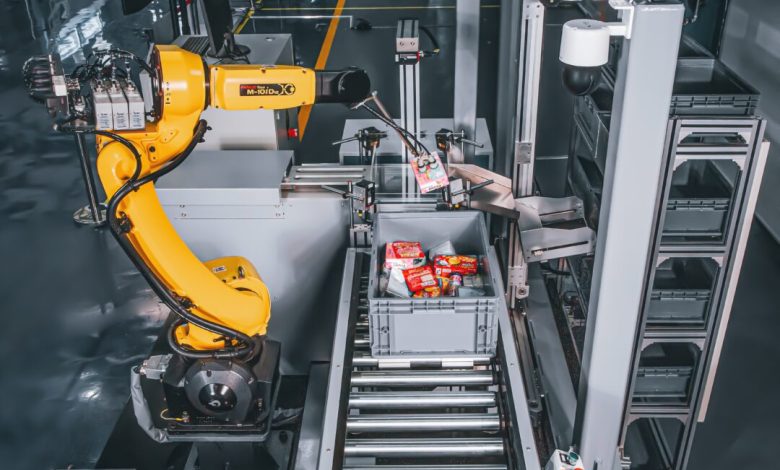
The integration of smart technology into production lines is changing how companies operate. These systems go beyond simple robotics, incorporating artificial intelligence and machine learning to handle complex tasks. By implementing intelligent industrial automation solutions, businesses can streamline operations, reduce human error, and optimise resource use. This shift allows human workers to move from repetitive, manual jobs to more strategic roles that require problem-solving and creativity.
The benefits extend throughout the supply chain. Automation can improve inventory management, speed up order fulfilment, and enhance quality control processes. In a dynamic economy like Thailand’s, which supports automotive, electronics, and food processing industries, these improvements are substantial. Adopting automation helps businesses respond faster to market changes and consumer demands, ensuring they remain agile and resilient.
Enhancing Efficiency in Thai Industries
Several sectors in Thailand are well-positioned to benefit from automation. In the automotive industry, for example, robotic arms can perform welding, painting, and assembly tasks with precision and speed. This not only increases production rates but also improves worker safety by handling hazardous jobs. Automated systems work around the clock, leading to consistent output and reduced downtime.
The electronics sector also stands to gain considerably. As components become smaller and more intricate, the need for precision manufacturing grows. Automated systems can handle the delicate assembly of circuit boards and other electronic parts, reducing defect rates and ensuring high standards. This level of quality is essential for competing in a global marketplace where consumers expect reliable products.
In food and beverage processing, automation helps maintain strict hygiene standards and consistency. From sorting and packing to quality inspection, automated machinery can manage large volumes of products efficiently. This speed is important for perishable goods, ensuring they reach consumers quickly while maintaining freshness.
The Future of Work with Automation
The introduction of advanced automation often raises questions about the workforce. However, the goal is not to replace human workers but to augment their capabilities. Automation takes care of the repetitive and physically demanding tasks, freeing up employees to focus on areas that require human intellect and oversight.
Training and upskilling programmes are important for a smooth transition. By equipping the workforce with skills in managing and maintaining these new systems, Thailand can build a more technologically advanced labour pool. This shift fosters a culture of continuous improvement and innovation. As industries embrace these changes, they pave the way for sustainable growth and a more productive future. Embracing automation is a forward-thinking strategy for any business looking to thrive.